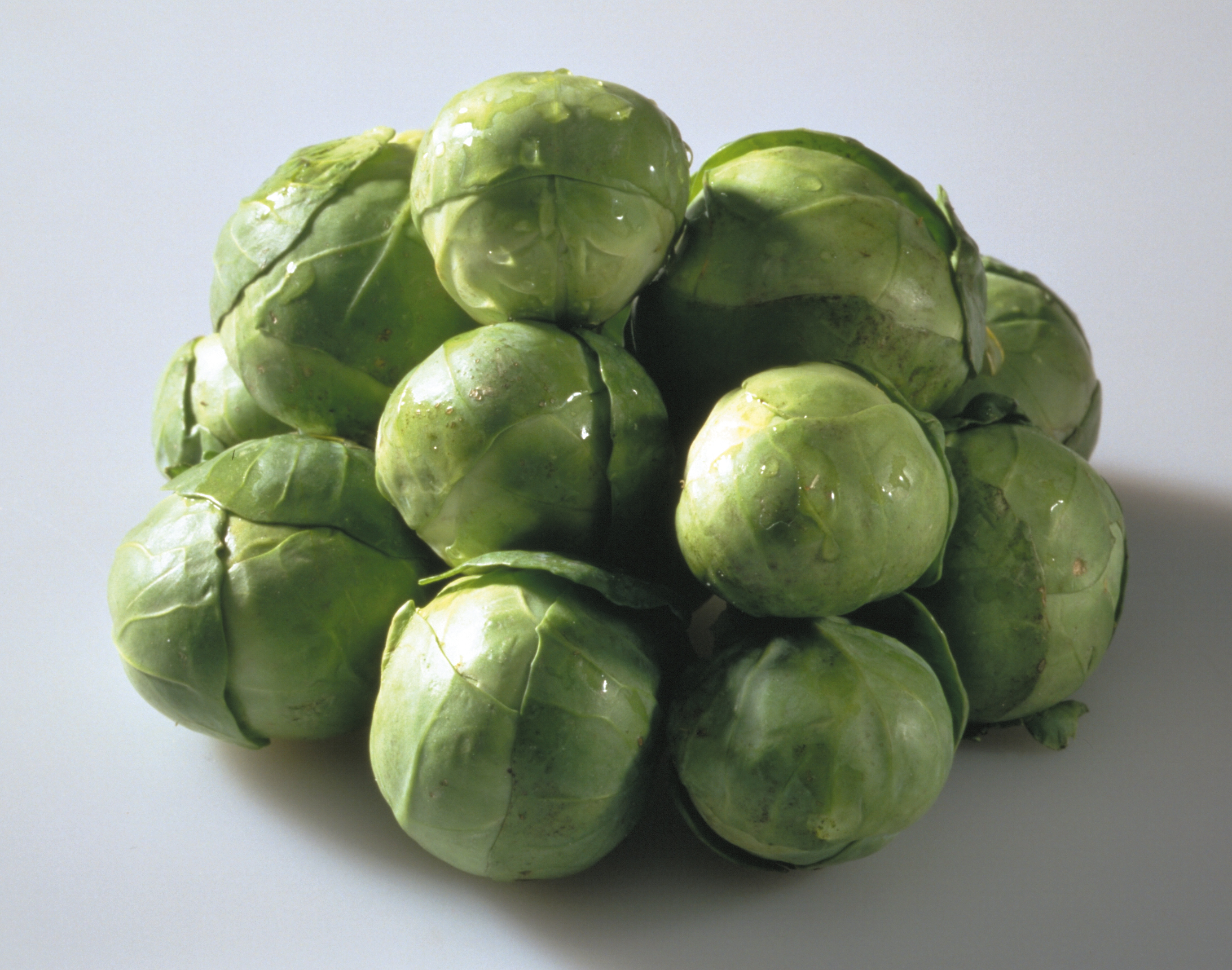
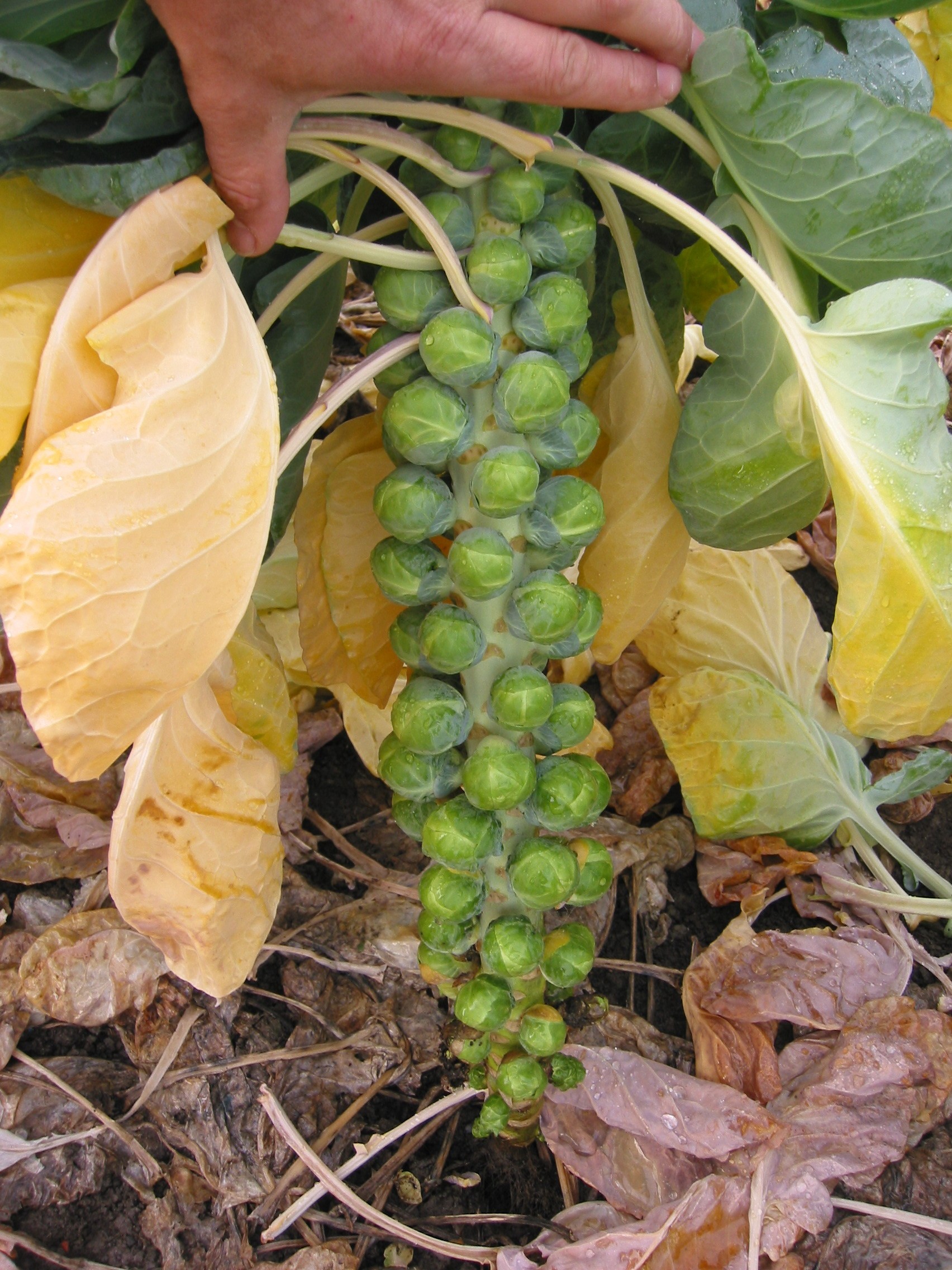
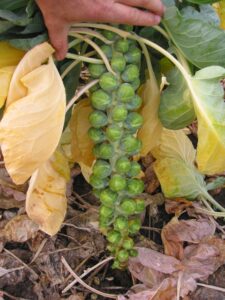
Brussel sprouts variety, matures mid-season for the fresh market.
Around 145 days from transplanting to harvest.
Adaptable for harvest in October-November.
High yield of medium-sized fruit.
Bright green fruit without yellow edges.
Fruits with good ability to keep longer in the field.
Brussel sprouts variety, matures mid-season for the fresh market.
Around 145 days from transplanting to harvest.
Adaptable for harvest in October-November.
High yield of medium-sized fruit.
Bright green fruit without yellow edges.
Fruits with good ability to keep longer in the field.
Brussel sprouts variety, matures mid-season for the fresh market.
Around 145 days from transplanting to harvest.
Adaptable for harvest in October-November.
High yield of medium-sized fruit.
Bright green fruit without yellow edges.
Fruits with good ability to keep longer in the field.
* Las variedades resistentes/tolerantes pueden mostrar daños o algunos síntomas de enfermedades bajo una fuerte presión de plagas, condiciones ambientales adversas o en caso de nuevos biotipos, patotipos, razas o cepas de la plaga que puedan surgir. Temperaturas del suelo superiores a 27°C y otros estresores pueden causar que se supere la resistencia a nematodos.
* Las variedades resistentes/tolerantes pueden mostrar daños o algunos síntomas de enfermedades bajo una fuerte presión de plagas, condiciones ambientales adversas o en caso de nuevos biotipos, patotipos, razas o cepas de la plaga que puedan surgir.
Brussel sprouts variety, matures mid-season for the fresh market.
Around 145 days from transplanting to harvest.
Adaptable for harvest in October-November.
High yield of medium-sized fruit.
Bright green fruit without yellow edges.
Fruits with good ability to keep longer in the field.
Términos legales
For tomatoes:
* Las variedades resistentes/tolerantes pueden mostrar daños o algunos síntomas de enfermedades bajo una fuerte presión de plagas, condiciones ambientales adversas o en caso de nuevos biotipos, patotipos, razas o cepas de la plaga que puedan surgir. Temperaturas del suelo superiores a 27°C y otros estresores pueden causar que se supere la resistencia a nematodos.
* Las variedades resistentes/tolerantes pueden mostrar daños o algunos síntomas de enfermedades bajo una fuerte presión de plagas, condiciones ambientales adversas o en caso de nuevos biotipos, patotipos, razas o cepas de la plaga que puedan surgir.